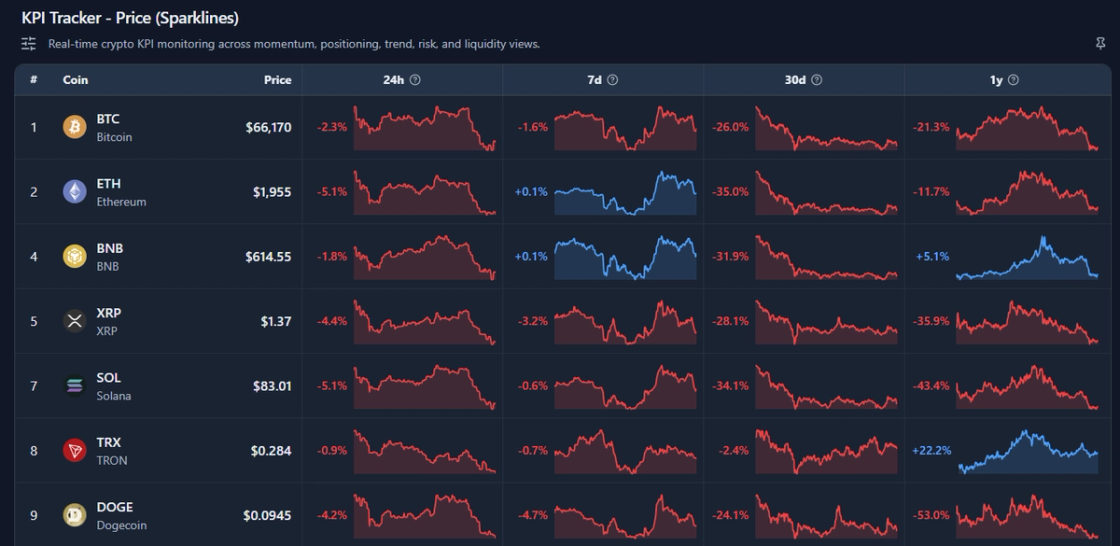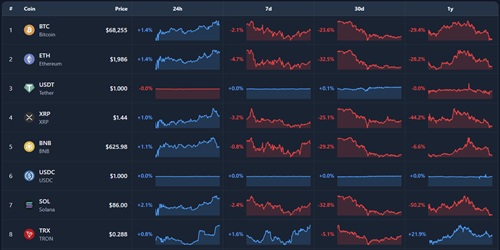

The Crypto Fear & Greed Index printed record lows in February 2026, with readings near 5 as Bitcoin sits more than 50% below its peak. Yet history shows that severe fear has often preceded sharp, short altcoin bursts once forced sellers are cleared and volatility resets.
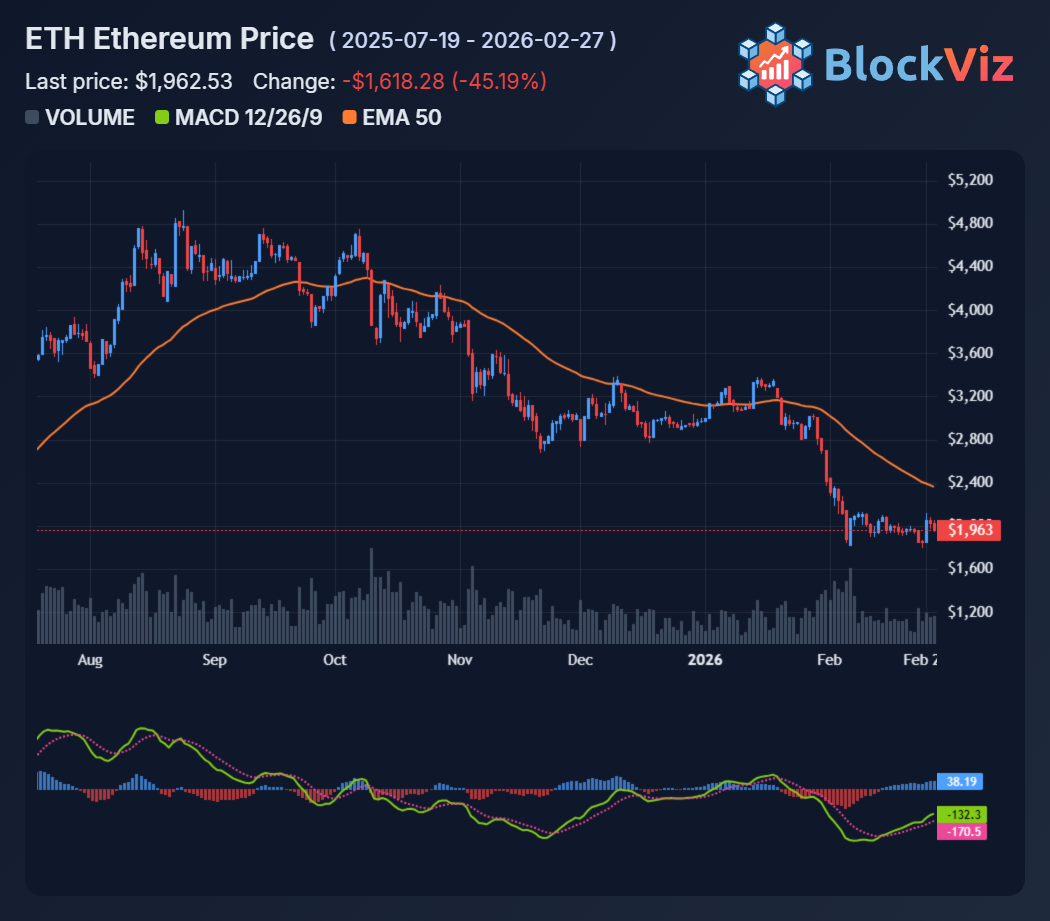
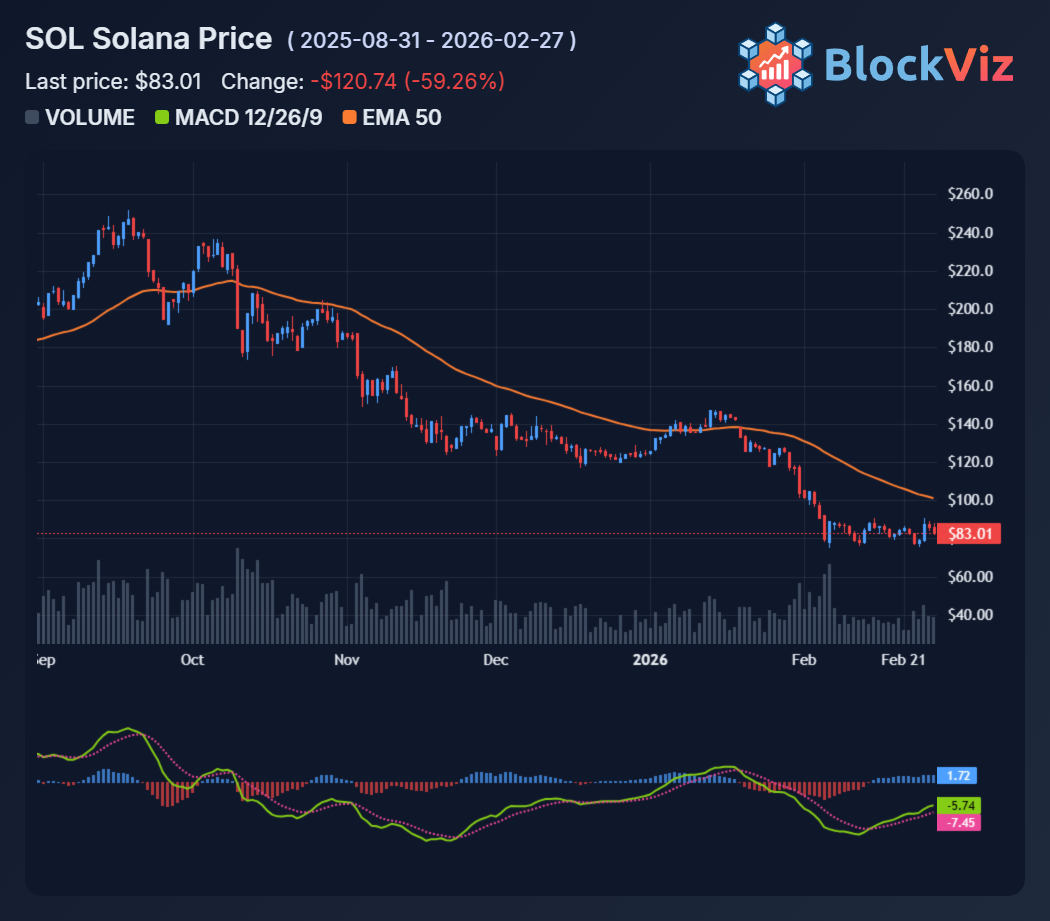
$ETH and $SOL serve as key gauges here. Both trade below their 50-day and 200-day moving averages, with downward slopes intact, signaling structurally weak trends. Any altcoin moves now would be tactical rotations from oversold levels, not cycle shifts requiring MA reclamation first.
In prior fear phases, altcoins that survived the flush posted triple-digit rebounds over 60 to 90 days, even while headline sentiment stayed in “Fear” rather than flipping to “Greed.” The driver was not feel-good narratives but simple positioning: underowned coins, cleaner funding, and market makers stepping back in as realized volatility normalized.
High fear does change the structure of altseasons. They are:
- Narrow: capital concentrates in a handful of high-liquidity names, usually large caps and narrative leaders
- Fast: moves compress into weeks, not months, and give back gains quickly
- Selective: many alts never revisit prior highs, even during strong rotations
For traders, the question is not “Will altcoins run while fear is high?” but “Which altcoins can run and on what triggers?” The checklist is simple: stabilizing Bitcoin, slowing downside momentum, improving spot volumes, and clear relative strength on majors like ETH and SOL. When those align, a bear-market altseason is less a paradox and more a recurring feature of crypto’s risk cycle.