
Brent and WTI have jumped sharply as Middle East supply risks grow, with analysts now openly discussing triple‑digit crude if disruptions persist. At the same time the dollar index has climbed back toward the high 90s on safe‑haven flows and fading expectations of near‑term Fed cuts. Higher energy costs plus a stronger dollar point to renewed inflation pressure and tighter financial conditions, a mix that historically weighs on long‑duration risk assets.
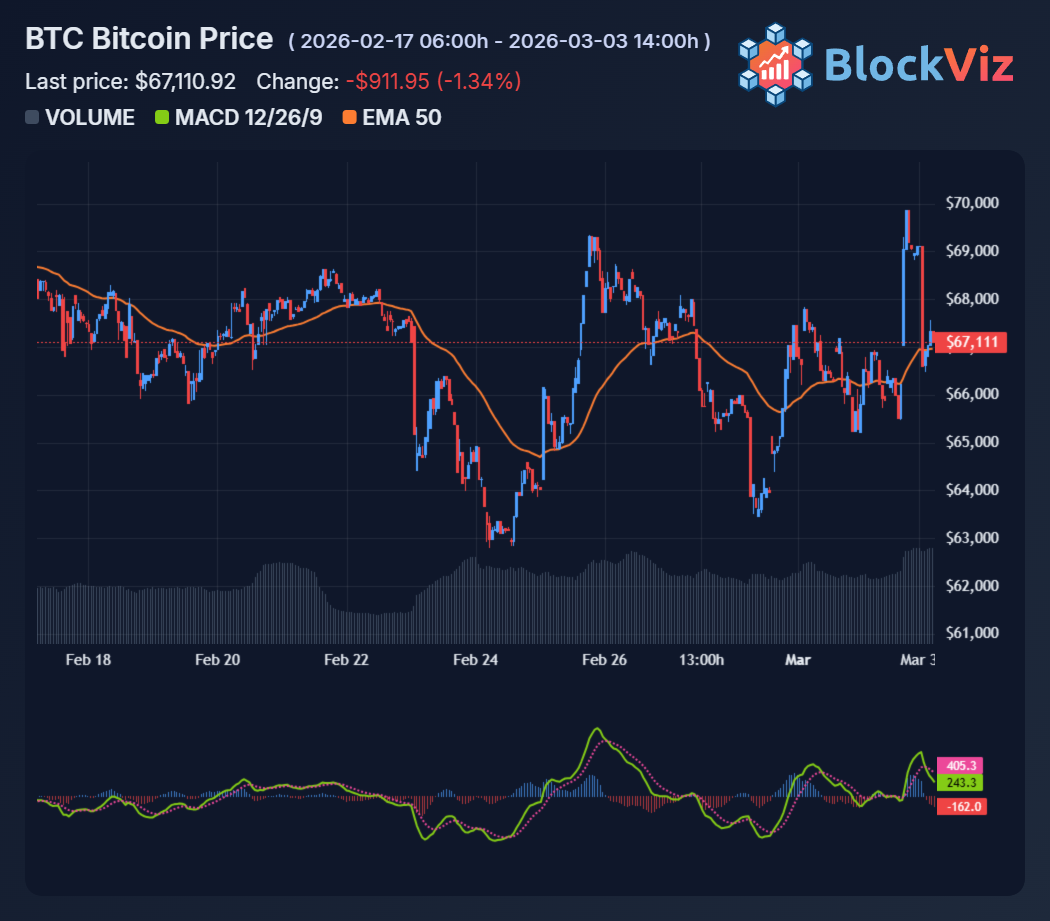
So where does that leave $BTC ? In the short run, it trades the liquidity cycle. A firmer dollar and rate‑cut repricing reduce excess liquidity, so Bitcoin’s first response tends to be volatility and selling pressure, not instant “digital gold” behavior. You can already see this in intraday price action: knee‑jerk spikes on war headlines that fade as funding costs and macro hedging flows dominate.
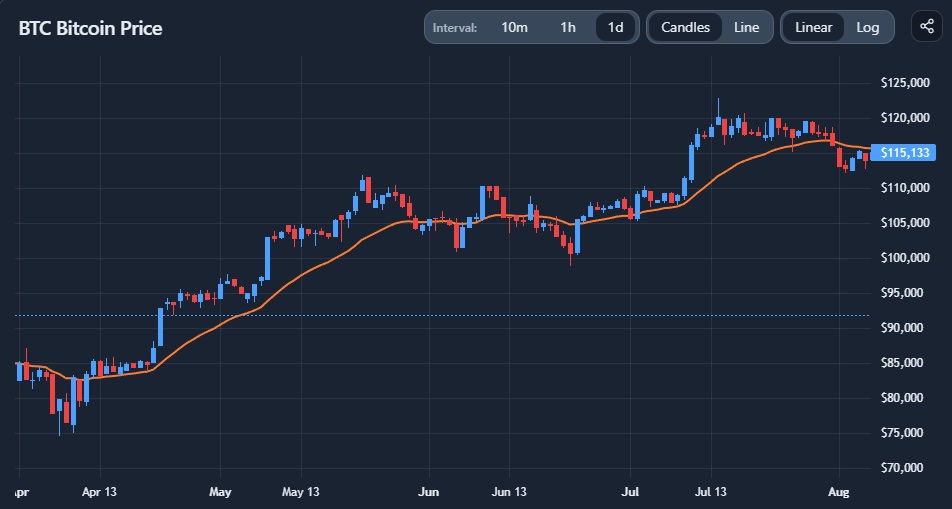
The medium‑term picture is more nuanced. Persistent geopolitical stress that keeps oil elevated and real yields capped can support the store‑of‑value narrative, but only after the market finishes de‑leveraging. For traders, the practical playbook is clear: respect the macro tape, assume higher realized volatility, and separate timeframes. Use strength into dollar spikes to de‑risk leveraged exposure, and look to accumulate only where forced sellers meet your longer‑horizon thesis, not just because “war is good for Bitcoin.”