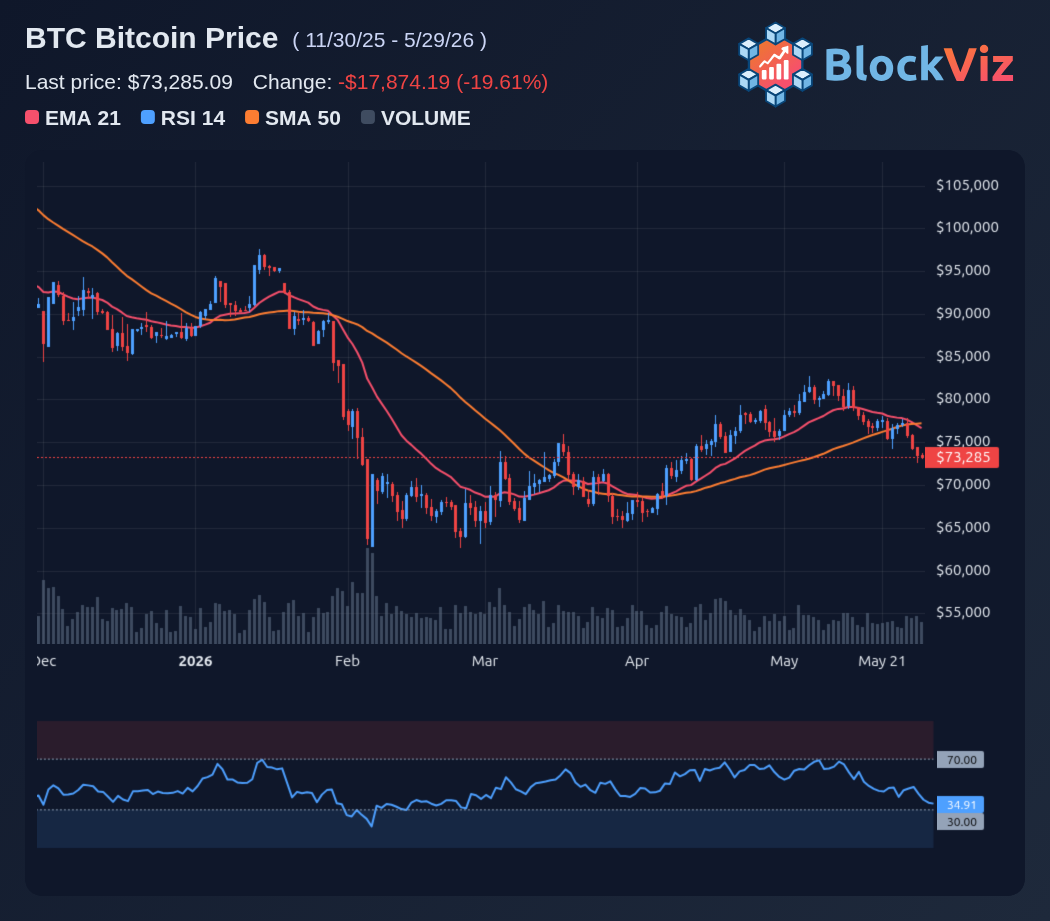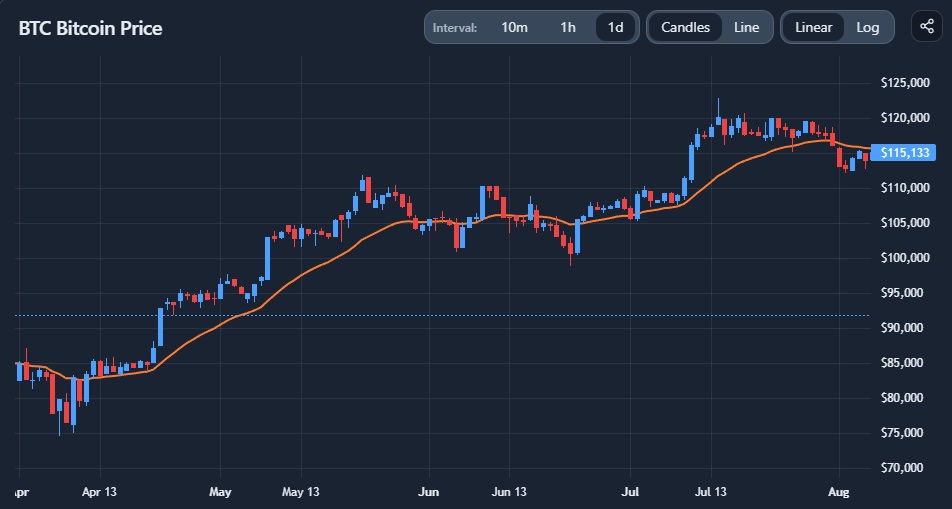

Forty percent of Bitcoin holders in the red is not a throwaway stat. It is the kind of number that changes behavior, because once enough supply is underwater, every bounce starts looking like an exit window instead of the start of a new leg higher.
That is why the 2022 bear comparison matters. In past cycle breaks, the market did not fully crack when everyone was euphoric, but when profits dried up, realized losses started to flip, and holders stopped defending highs. Recent on-chain data has already shown unrealized losses rising fast and short-term structure weakening, which is exactly the kind of setup that makes traders ask whether this is a reset or the start of a deeper unwind.
The catch is that being in pain is not the same as capitulation. Bitcoin can sit in a broad loss zone for a while, especially if stronger hands keep absorbing supply and liquidity stays patchy. But when holders in the red start selling into weakness, rallies get thinner, wicks get sharper, and every support test becomes more important than the last.
Key observations will include whether BTC can reclaim lost structure or continues to print lower highs. Market participants should monitor how price behaves around the current support band, if realized losses continue to expand, and whether dips are met with conviction buying or simply faded into further distribution. Should support repeatedly fail and holders move deeper underwater, the 2022 bear analogy would become increasingly difficult to dismiss.