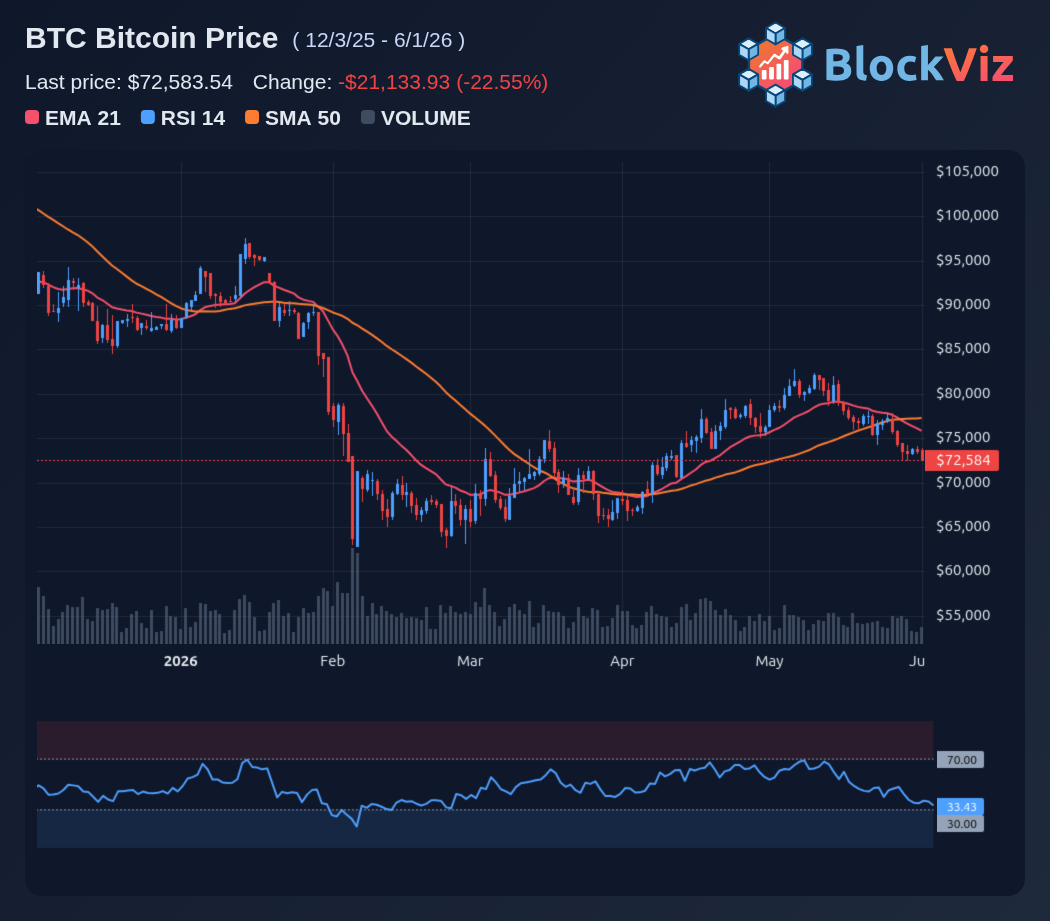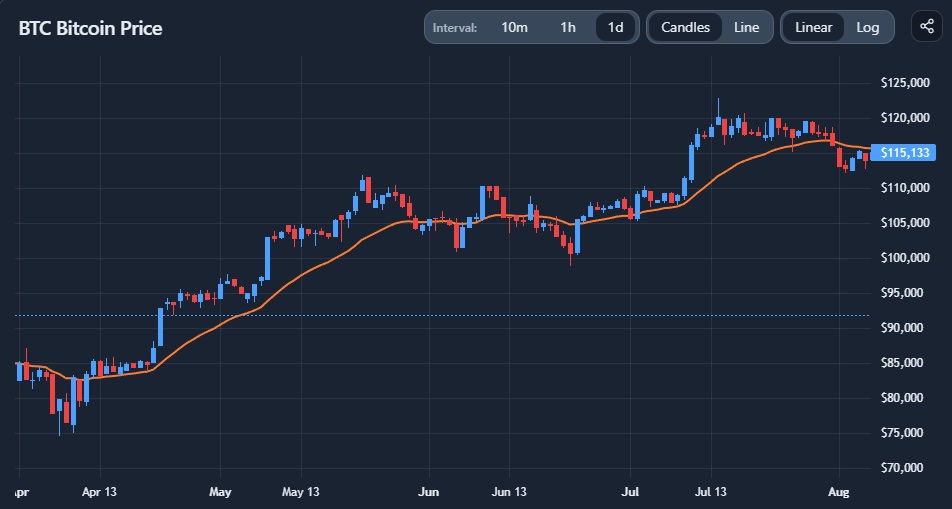

Saylor didn't just change his tune; he changed the market's nerve. After years of "never sell," MicroStrategy has now sold a tiny 32 BTC stack, and that matters less for the size than for the signal: the old absolute HODL doctrine is no longer sacred if balance-sheet pressure, dividends, or capital structure math say otherwise.
Why now? Because BTC is no longer trading in a vacuum. MicroStrategy is sitting inside a more fragile setup where funding, preferred payouts, and market sentiment all interact, and even a symbolic sale tells traders the company will optimize for survival and capital efficiency, not just ideology. That's a big psychological shift for a stock and treasury trade that has long relied on the "they will never sell" premium.
The irony is that the sale itself is tiny, but the reaction can be outsized. If Bitcoin is already soft and the market sees the most famous corporate accumulator willing to trim at all, the crowd starts asking whether the bigger issue is not supply, but conviction. That's how a 32 BTC headline can hit broader positioning harder than a much larger, routine treasury move.
Market participants should now observe whether MicroStrategy frames this as a one-off treasury adjustment or a repeatable tool. Additionally, it will be important to monitor whether BTC holds key support on any follow-through weakness, and if leverage-heavy assets begin reacting more violently than spot BTC. Should price continue to slide while the "never sell" narrative fades, the next market movement may be driven more by reflexive de-risking than by underlying fundamentals.