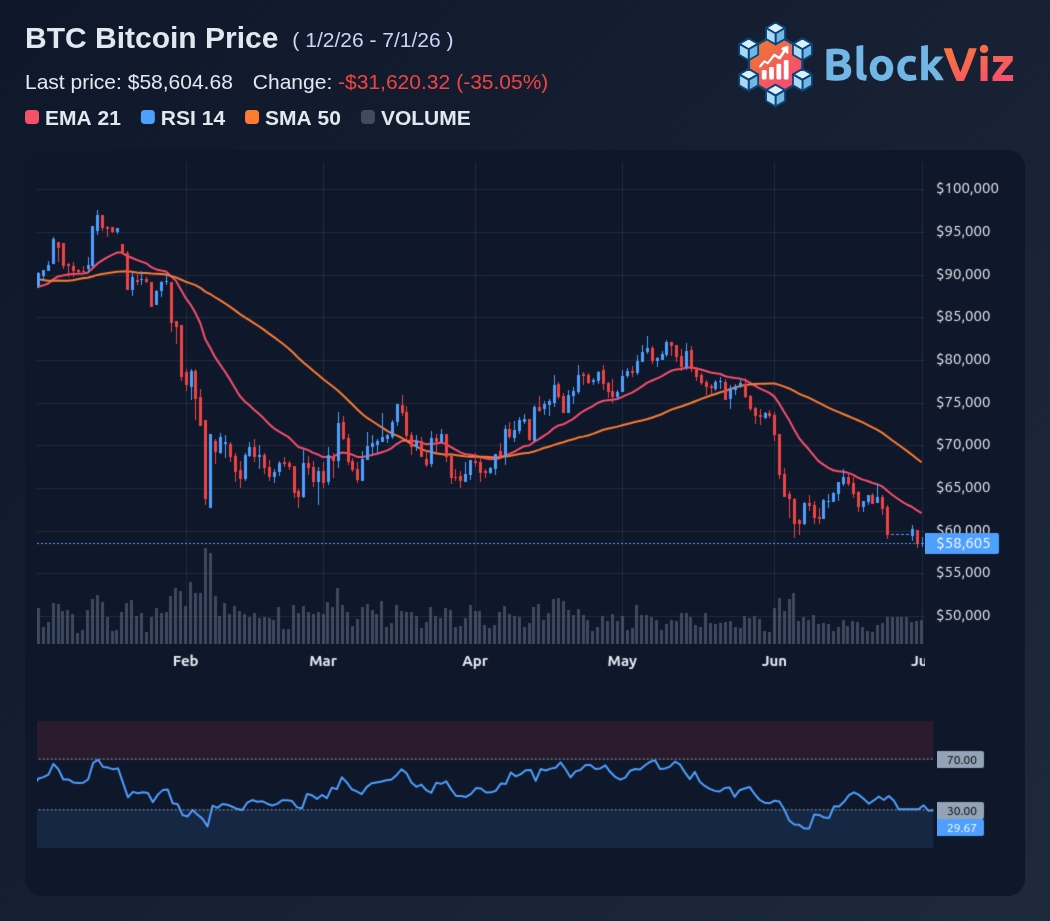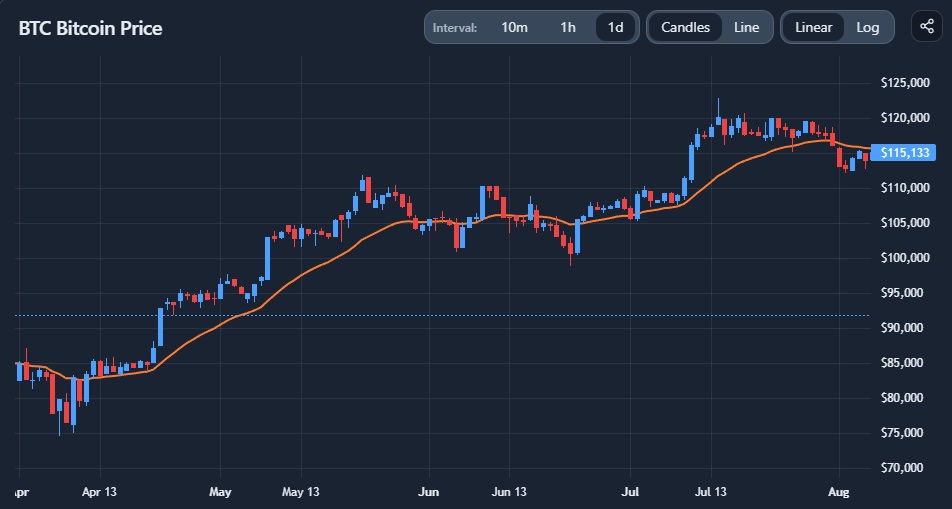

Trump didn't trade his way to $1B in crypto in 2025. He engineered it. The money came from three tightly linked channels: a branded meme token, a family-controlled financial platform, and the sheer leverage of owning the name supply. More than $635M flowed from royalties tied to the $TRUMP token launched through Celebration Coins just before his inauguration, while roughly $500M came from WLFI via equity sales, token allocations, and wallet income. That pushes his total crypto earnings above $1B, with some reports pointing to $1.2 to $1.4B for the year.
The core question is not whether he made money. It is where the money really came from and what that means for the market. The $TRUMP token was not a passive holding. It was a monetization engine. Every time someone bought, traded, or held the token, the licensing structure extracted value. WLFI worked the same way. Instead of waiting for price appreciation, the family sold equity, distributed tokens, and moved assets through wallets in a way that turned political brand into cash flow. That is the missing piece most market participants overlook.
This changes how the whole Trump-related subsector should be read. The token is not just a meme. It is a hybrid political asset, priced not only on hype but on the perception of how much control the family has over supply, licensing, and future product launches. When WLFI unlocks tokens, sells allocations, or announces new deals, the $TRUMP token can react violently. When regulators start questioning political figure-linked tokens, the entire category can experience significant pressure.
For market participants, the implications are clear. Observing WLFI tokenomics, including unlock schedules, treasury sales, and new product launches, will be crucial. Tracking any new Trump-branded coin or licensing deal, and monitoring how regulators and exchanges treat political figure-linked tokens will also be important. Should liquidity continue to flow and narrative strength persi...