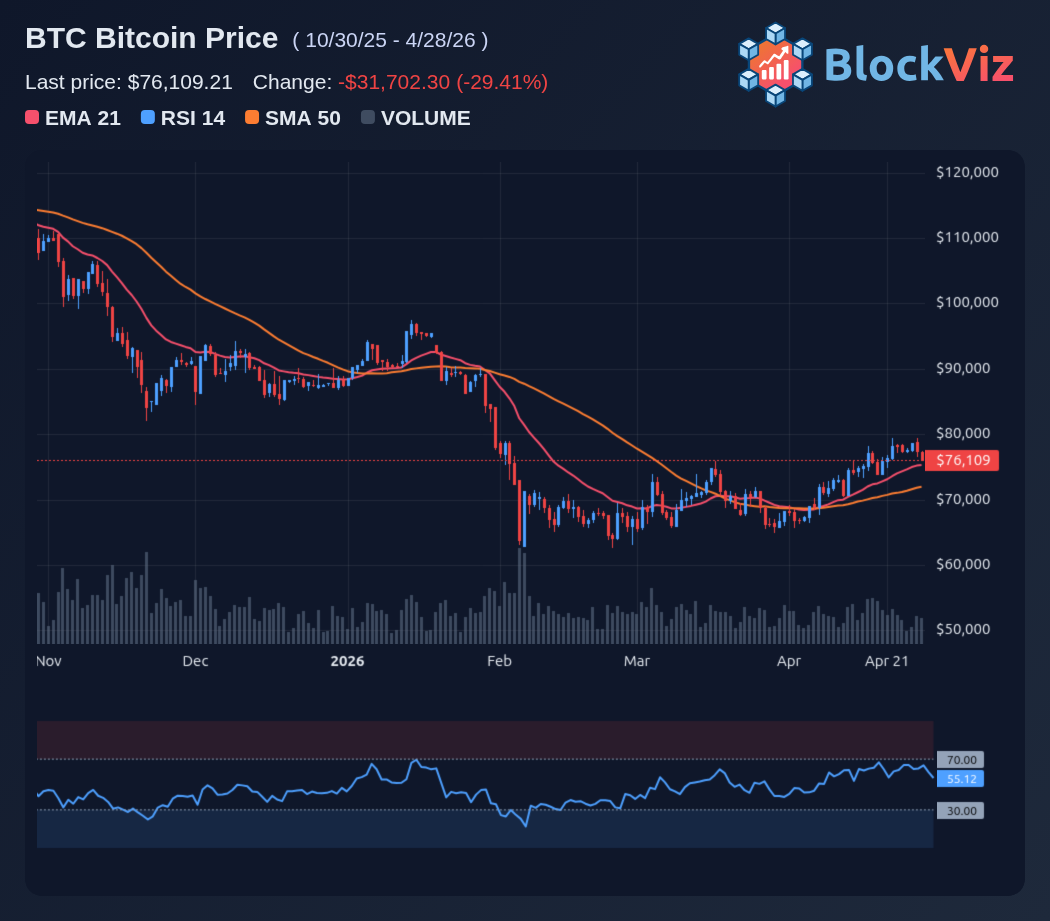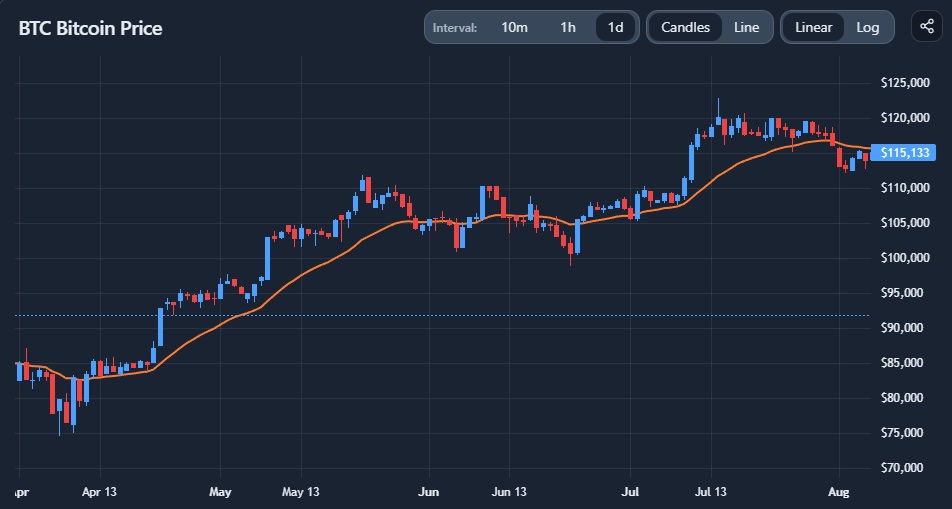

Saylor isn't just buying Bitcoin anymore; he's becoming the benchmark for how fast the market can absorb real spot demand. When one treasury is taking down more BTC than the network mints, the old "steady issuance" story starts to look thin.
That's the tension now: new supply is tiny, but the bid behind BTC keeps getting louder. After the April 2024 halving, Bitcoin issuance is down to roughly 450 BTC a day, and if large buyers are stacking faster than that, the liquid float gets squeezed before most traders notice it on price.
What matters is not the headline buy; it's the pacing. If MicroStrategy keeps financing purchases through equity, preferreds, or other capital raises, the market gets a repeat buyer with institutional firepower and almost no patience for waiting on dips. That can tighten exchange balances, widen spreads on stress, and make every pullback feel shallower than the last.
The supply shock case is simple: fewer coins available, more forced demand, and a market that still prices BTC like liquidity will always be there. The catch is that supply shocks do not move in a straight line; they usually show up as sudden breakouts after weeks of dull action and failed sellers.
Market participants should observe MicroStrategy's next filing, ETF flow persistence, exchange reserves, and whether BTC can continue to defend prior breakout zones while spot demand consistently outpaces fresh issuance. When the marginal seller disappears, price tends to react quickly.