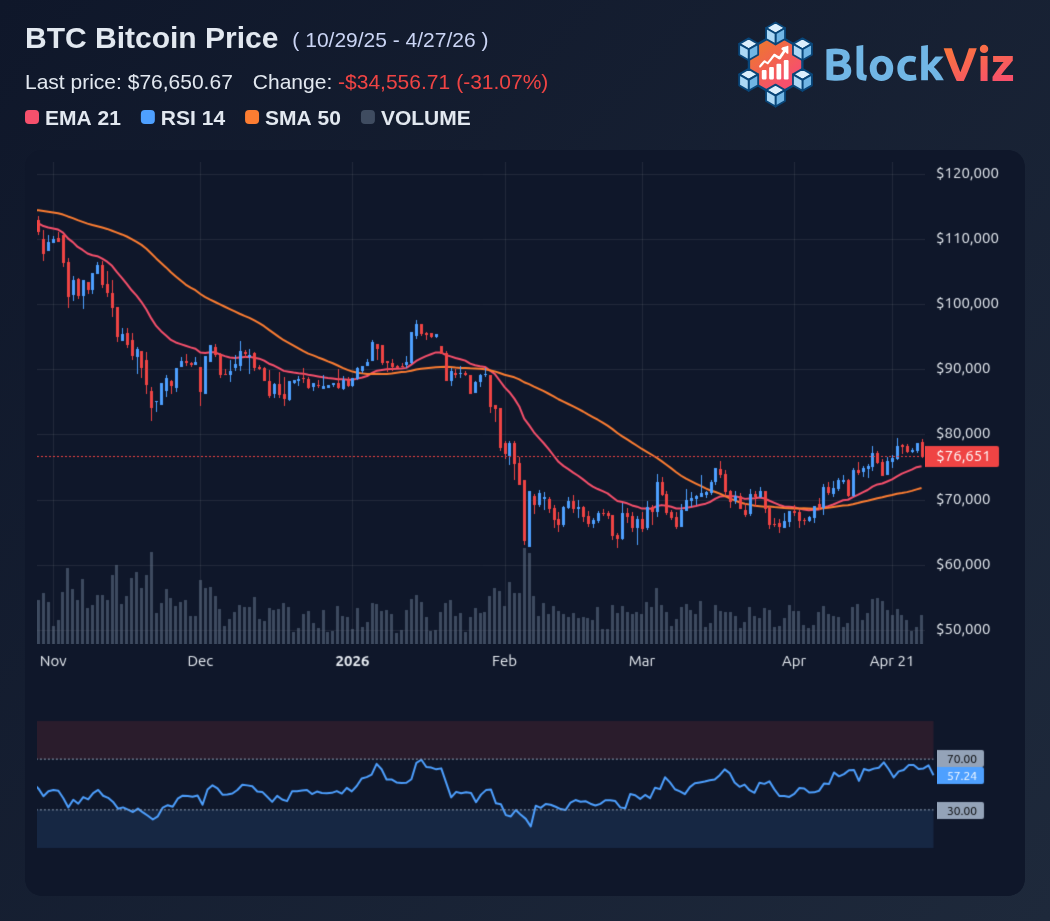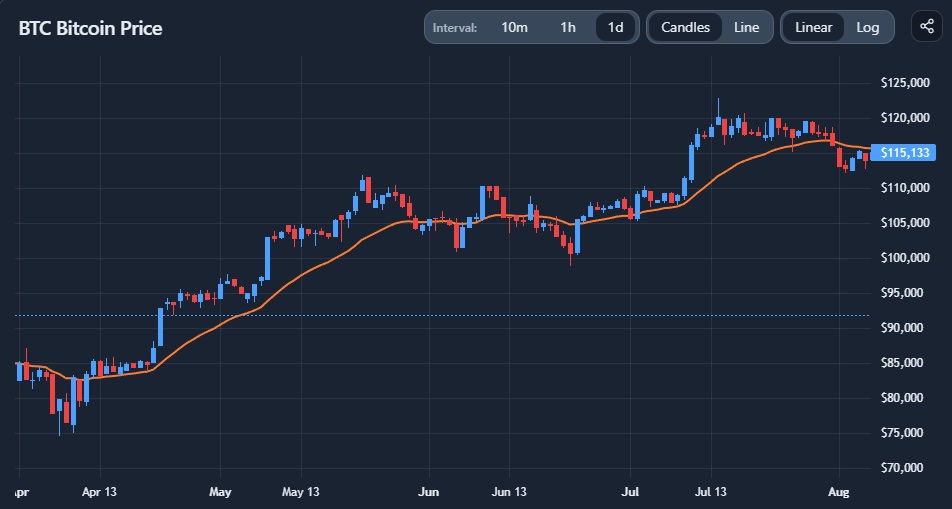

Bitcoin is being pulled into an old argument with new stakes: is it still a pure settlement network, or is the base layer supposed to evolve into something more flexible? Paul Sztorc's eCash hard fork makes that fight concrete, because it is not just a philosophical split; it is a direct attempt to launch a new Bitcoin-derived chain with a 1:1 BTC exchange and a claim that Bitcoin's current roadmap is stalled.
That matters now because the market knows Bitcoin does not usually break on price alone; it breaks on governance stress. Once a fork tries to redefine the rules around scaling, privacy, and even Satoshi-era coin allocation, the debate stops being technical and starts becoming a test of who controls Bitcoin's story.
The bulls will call eCash an escape hatch from years of congestion politics. The bears will call it a re-run of the same fork theater that has already produced a long trail of split communities, abandoned tickers, and chains that never came close to challenging BTC.
The market will now closely observe several indicators: whether this remains loud commentary or gains real chain support, mining interest, and exchange handling before the August window. Should attention build but liquidity remain thin, it may primarily be narrative noise. However, if hash power, wallet support, and listing chatter align, the market may begin to price in a fresh round of Bitcoin governance risk.