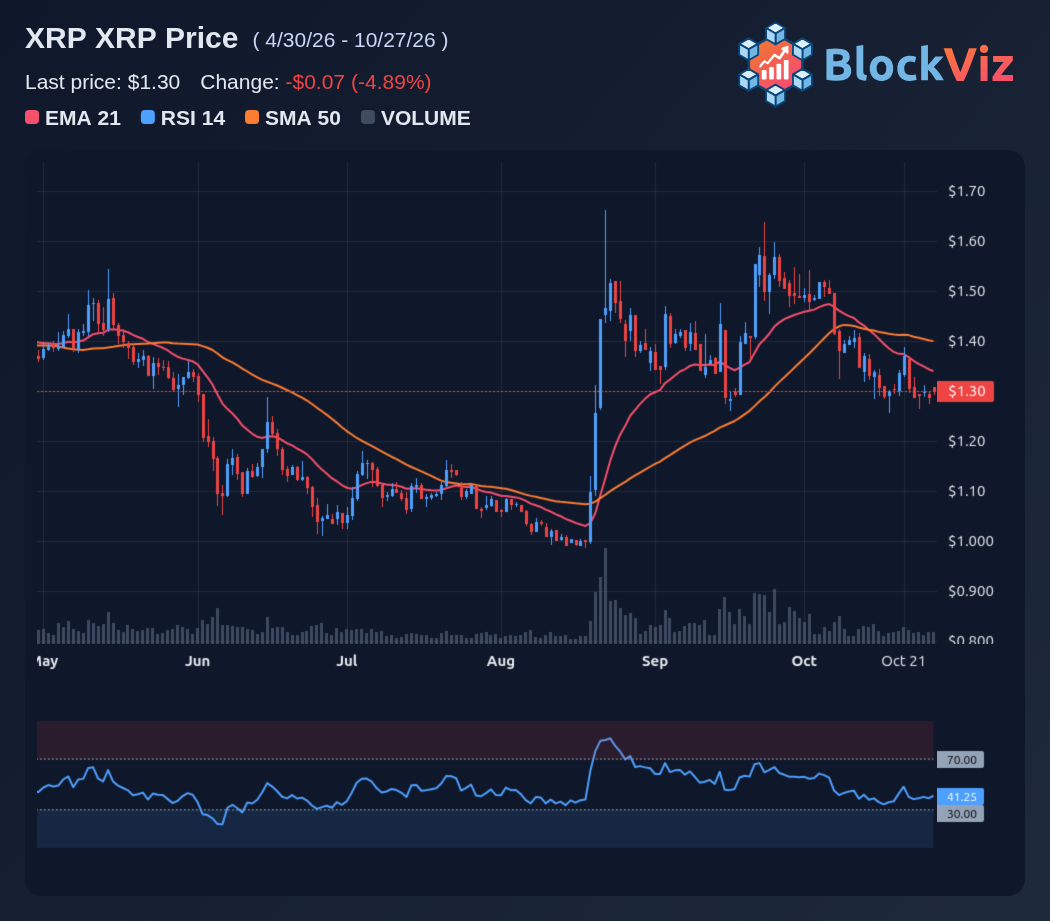
Ripple becoming a US national trust bank would strengthen its regulatory position. But the bigger question for XRP is whether that legitimacy creates actual token demand, or mainly benefits Ripple’s business.
A national trust charter could support regulated custody, stablecoin operations, institutional settlement, and payment infrastructure. That may improve XRP’s long-term credibility in cross-border liquidity.
But a charter alone does not guarantee recurring XRP buying pressure. The market still needs evidence that activity is flowing through XRP, rather than remaining concentrated in Ripple’s corporate and stablecoin products.
The signals to watch are institutional custody growth, stablecoin issuance, payment-corridor volume, exchange liquidity, and XRP’s reaction around key support and resistance levels. A lasting move would need adoption and flows behind it, not just a headline spike.