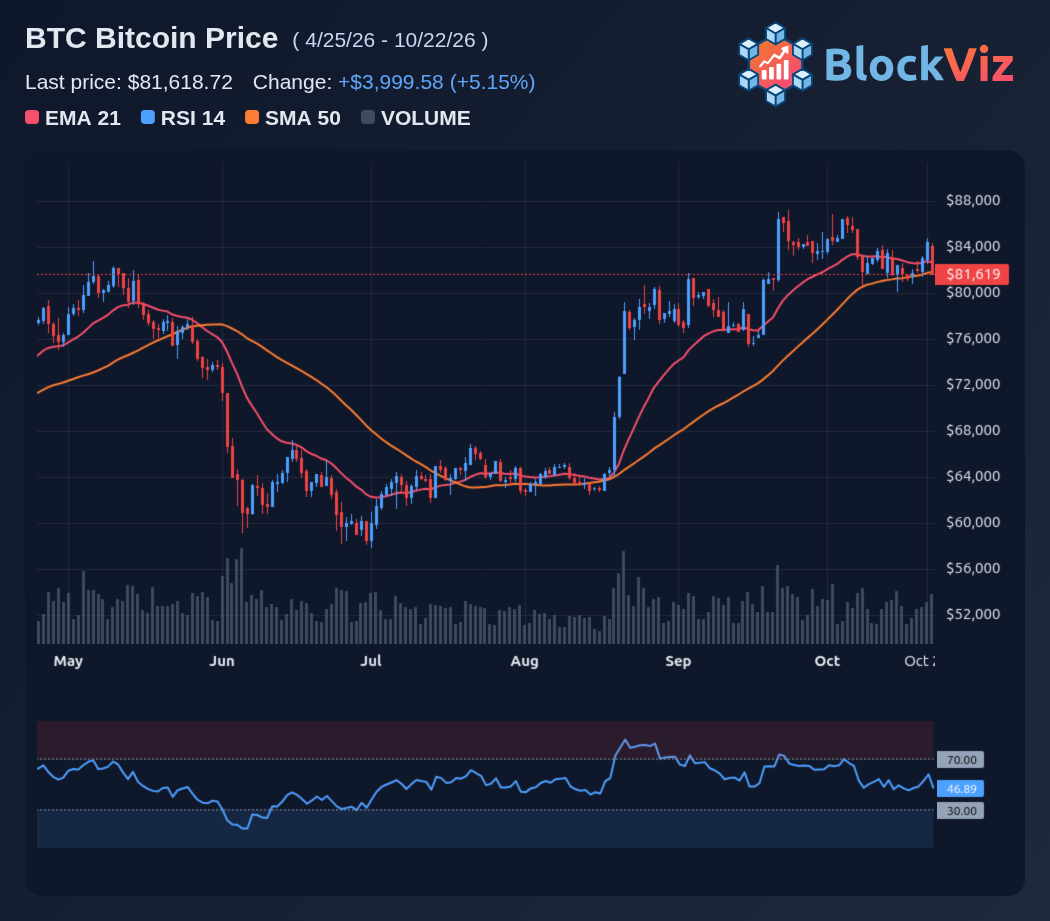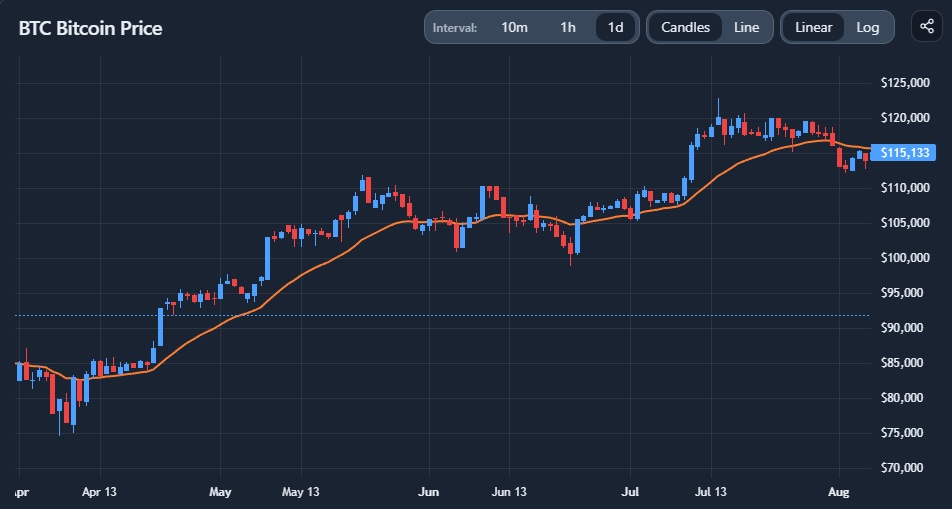

China reportedly moving to seize 61,800 BTC is a major headline because the potential supply is enormous, but seizure does not mean an immediate $5 billion market dump. The more important question is custody, legal process, and whether the coins eventually reach exchanges.
At roughly 61,800 BTC, the holdings would be large enough to move sentiment even before any sale. Markets tend to price the possibility of future supply, especially when the coins are tied to enforcement action rather than a known long-term holder. That can create selling pressure through positioning even if no Bitcoin actually moves.
The tension is that governments often hold seized assets for years. They may transfer them between custody wallets, auction them in controlled batches, or retain them as a strategic reserve. A wallet movement alone is not evidence of a sale. Traders who treat every transfer as distribution often end up reacting to custody logistics rather than actual market supply.
Watch on-chain destinations, especially transfers to known exchange deposit addresses, and monitor exchange inflows relative to normal daily volume. Also watch official statements on disposal plans and whether the coins remain dormant. If the BTC stays in government custody, the bearish case weakens. If sizable deposits begin reaching exchanges, then the $5 billion question becomes a real liquidity event.