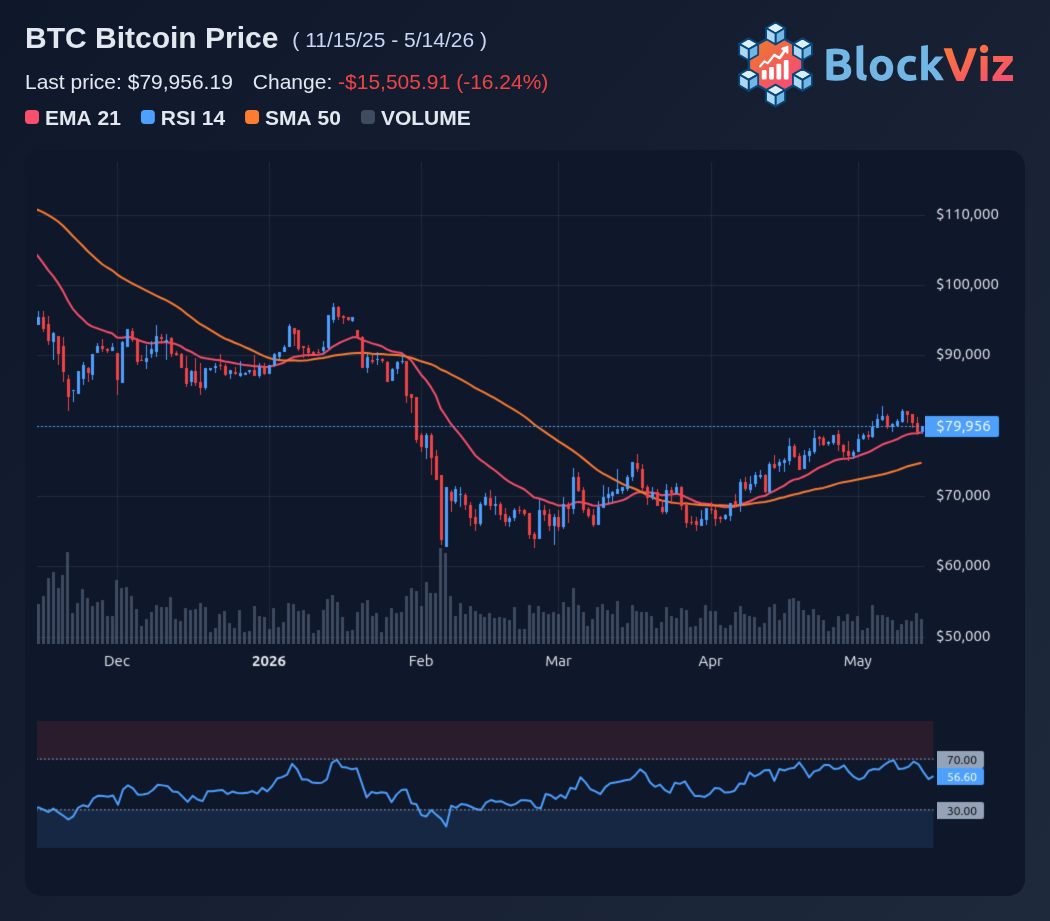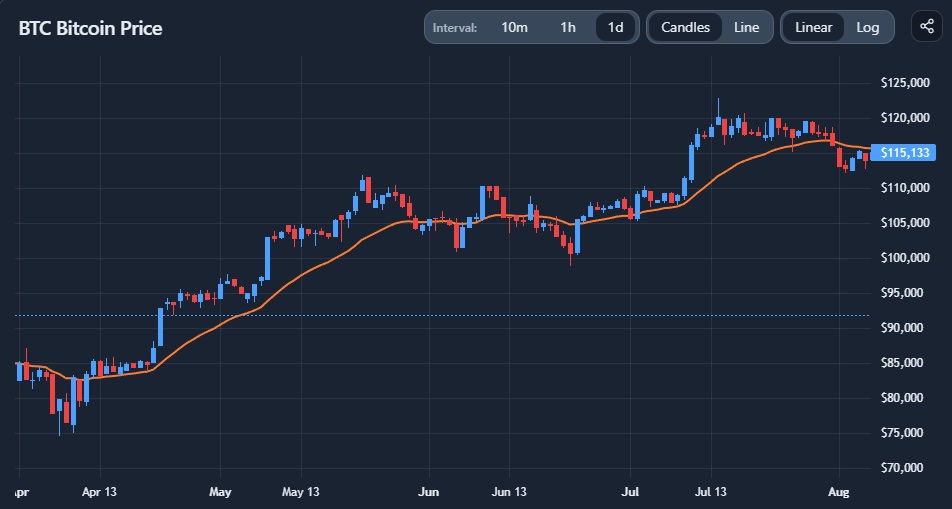

We just saw the biggest ETF‑style exodus in Bitcoin since January, and the market is still asking whether this is a structural break or just another wave of deleveraging. Spot‑listed U.S. Bitcoin ETFs lost hundreds of millions in net outflows over a handful of sessions, with BlackRock’s IBIT and a few other heavyweights leading the pace. That kind of speed and concentration of selling is exactly how liquidity gets sucked out of the futures and spot markets in one go, and it’s why BTC’s recent action looks so heavy and one‑sided.
The dump makes sense when you connect the dots: macro skittishness, elevated realized volatility, and a layer of over‑leveraged capital that used ETF shares as a quick exit ramp. Unlike 2024, where inflows could absorb pain, we are now in a phase where the ETFs themselves have become the first line of defense for institutions dialing down risk. When that valve opens, the price tends to gap lower first, settle later, and leave traders scrambling to find the new grip rather than the old narrative.
Zooming into levels, the market is now testing the broader congestion band that held throughout Q1, roughly in the mid‑70k range, with the 200‑week EMA acting as a psychological anchor. Below that, the narrative quickly shifts from “rotation” to “test of structural support,” and that’s where additional ETF‑style selling or forced liquidations could amplify downside momentum. At the same time, on‑chain data shows that long‑term holders are still sitting tight, which means extreme capitulation isn’t carved in yet.
For traders, the next few days are about watching three things: whether ETF flows stabilize or extend into a streak of redemptions, what BTC does around its current key support zone, and whether funding rates and open interest contract sharply as the market reprices leverage. If outflows slow and price holds above that critical band, you’re looking at a grind‑back phase. If they keep coming and spot cracks lower, the next leg is a retes...