
Bitcoin’s real danger here is not some sci-fi future breach, it’s the shrinking gap between a public key going live and a quantum attack being able to act on it. If the “9 minutes” estimate holds, that is uncomfortably close to Bitcoin’s roughly 10-minute block rhythm, which turns a theoretical threat into a timing problem the market can actually understand.
The market still treats quantum risk like a distant headline, but this is the kind of research that highlights potential shifts in perception. The exposed surface is broader than most realize: older address types, address reuse, and any wallet that reveals a public key before funds move become clearer targets.
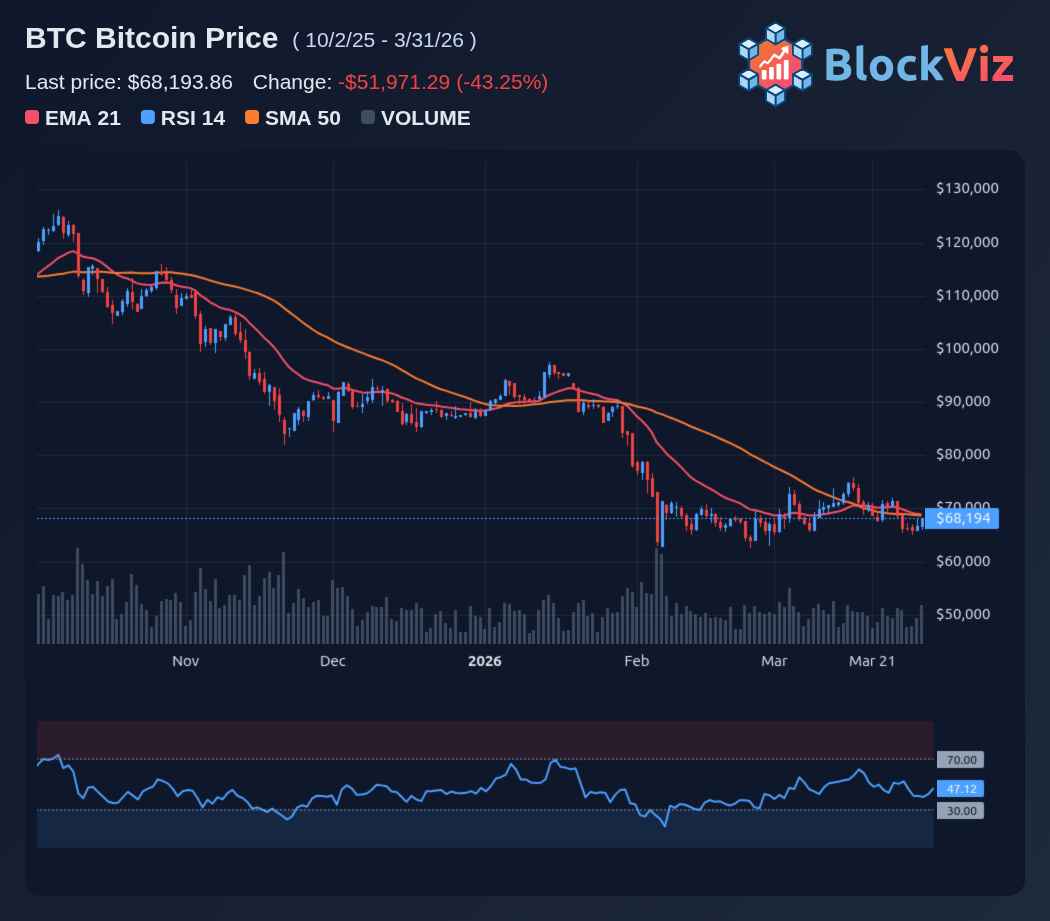
This matters now because BTC’s security narrative has always been a component of its valuation. If investors begin to question the vulnerability of supply, the conversation could shift from “can quantum break Bitcoin?” to “which coins are most exposed first?”, which can influence market dynamics.
Observing potential market shifts would involve tracking key indicators. This includes monitoring the adoption of post-quantum wallet upgrades, any renewed warnings against address reuse, and changes in how major wallets manage public key exposure. Persistent developments in this area could indicate a transition from abstract technical discussions to a more tangible consideration for Bitcoin's risk profile.