
BlockViz
WikiStrategies & TradingRebalancing

Rebalancing

Category: Strategies & Trading

Rebalancing is the process of realigning portfolio weights back to a chosen target.

It is not about predicting markets.
It is about controlling allocation drift, risk exposure, and concentration over time.

What rebalancing represents

Rebalancing answers a structural question:

How much of my portfolio should each asset represent?

As prices move, allocations drift.
Rebalancing restores intended proportions.

It is a maintenance process, not a timing strategy.

Why allocation drift happens

Allocation drift occurs when:

  • some assets outperform others
  • volatility affects positions unevenly
  • capital flows change relative weights

Over time, winners dominate portfolios and losers shrink — regardless of original intent.

Rebalancing vs buy and hold

Buy and hold accepts drift.

Rebalancing resists it.

  • Buy and hold increases concentration in winners
  • Rebalancing trims winners and adds to laggards

Neither is inherently superior — they reflect different philosophies.

Rebalancing and risk control

Rebalancing primarily controls risk, not return.

It helps:

  • prevent unintended concentration
  • maintain diversification
  • stabilize drawdowns
  • enforce discipline

Returns are a secondary effect.

Rebalancing and relative performance

Rebalancing creates systematic relative trades.

It:

  • sells assets that have outperformed
  • buys assets that have underperformed

This embeds a mean-reversion assumption, whether intended or not.
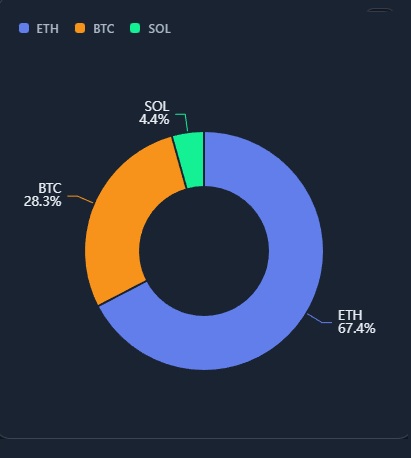
Rebalancing in volatile markets

In volatile environments:

  • drift accelerates
  • rebalancing frequency matters
  • transaction effects increase

Frequent rebalancing:

  • reduces concentration faster
  • increases turnover
  • may reduce upside in strong trends

Infrequent rebalancing:

  • allows drift
  • increases path dependency

Common rebalancing methods

Time-based rebalancing

  • Rebalance on a fixed schedule (monthly, quarterly)
  • Simple and predictable
  • Ignores magnitude of drift

Threshold-based rebalancing

  • Rebalance when allocations deviate beyond a threshold
  • More responsive to volatility
  • Less frequent in calm markets

Hybrid approaches

  • Combine time and threshold rules
  • Balance responsiveness and simplicity

Rebalancing vs market timing

Rebalancing is not market timing.

It does not:

  • predict trends
  • optimize entries
  • avoid drawdowns

It enforces structural discipline, not directional bets.

Common misconceptions

“Rebalancing improves returns”

Not guaranteed.

It improves risk consistency, not necessarily performance.

“Rebalancing prevents losses”

False.

It reshapes losses — it doesn’t eliminate them.

“More frequent rebalancing is better”

Not always.

Higher frequency increases turnover and opportunity cost.

When rebalancing is most useful

Rebalancing is most useful when:

  • managing multi-asset portfolios
  • controlling concentration risk
  • enforcing long-term allocation plans
  • operating in volatile environments

When rebalancing is less useful

Rebalancing is less effective when:

  • one asset structurally dominates
  • transaction costs are high
  • strong trends persist for long periods
  • allocations are intentionally opportunistic

Key takeaway

Rebalancing is a tool for structure, not foresight.

  • It controls drift
  • It enforces discipline
  • It trades upside for stability
  • It reflects risk philosophy, not prediction

Used correctly, rebalancing keeps portfolios aligned with intent — even when markets move faster than plans.

Portfolio Tracker preview

Related Tool

Portfolio Tracker

Use the interactive tool to explore the same concept with your own time range and settings.

Rebalancing – BlockViz Wiki