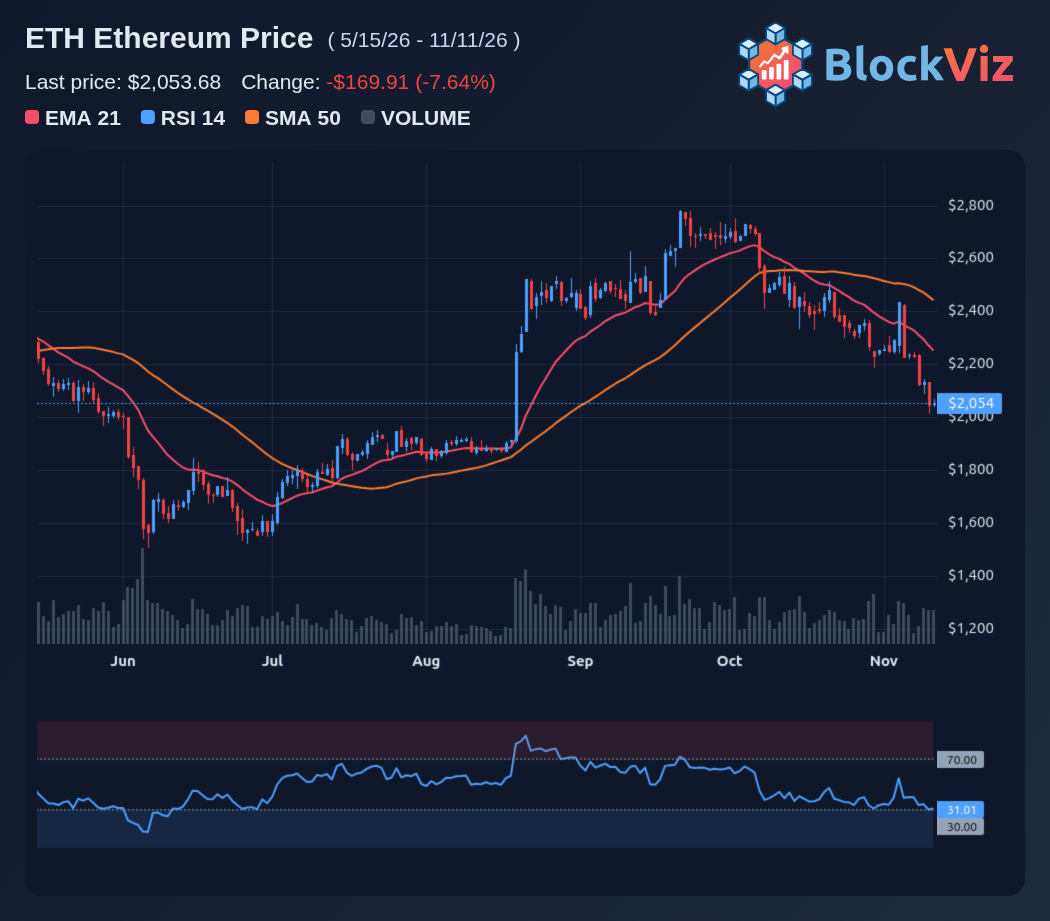
Bitmine’s $6.3 billion paper loss does not, by itself, explain why the company keeps buying ETH. Unrealized losses can be absorbed for years if the strategy is a long-duration ETH treasury play. The constraint is not conviction. It is liquidity.
Bitmine can keep accumulating only if purchases are funded by cash, new equity, debt, or another source of capital. A falling ETH price may not force sales immediately, but it can reduce reported equity, pressure the share price, raise dilution risk, and make financing more expensive.
That creates a reflexive loop. Market confidence helps Bitmine raise capital, and that capital allows it to buy more ETH. But if confidence weakens during a drawdown, the same strategy can become harder to fund precisely when the company wants to keep buying.
So the key signal is not the paper loss or the headline size of its ETH position. It is whether new purchases are backed by durable capital, or whether Bitmine must keep relying on favorable market conditions to expand a balance sheet already under pressure.