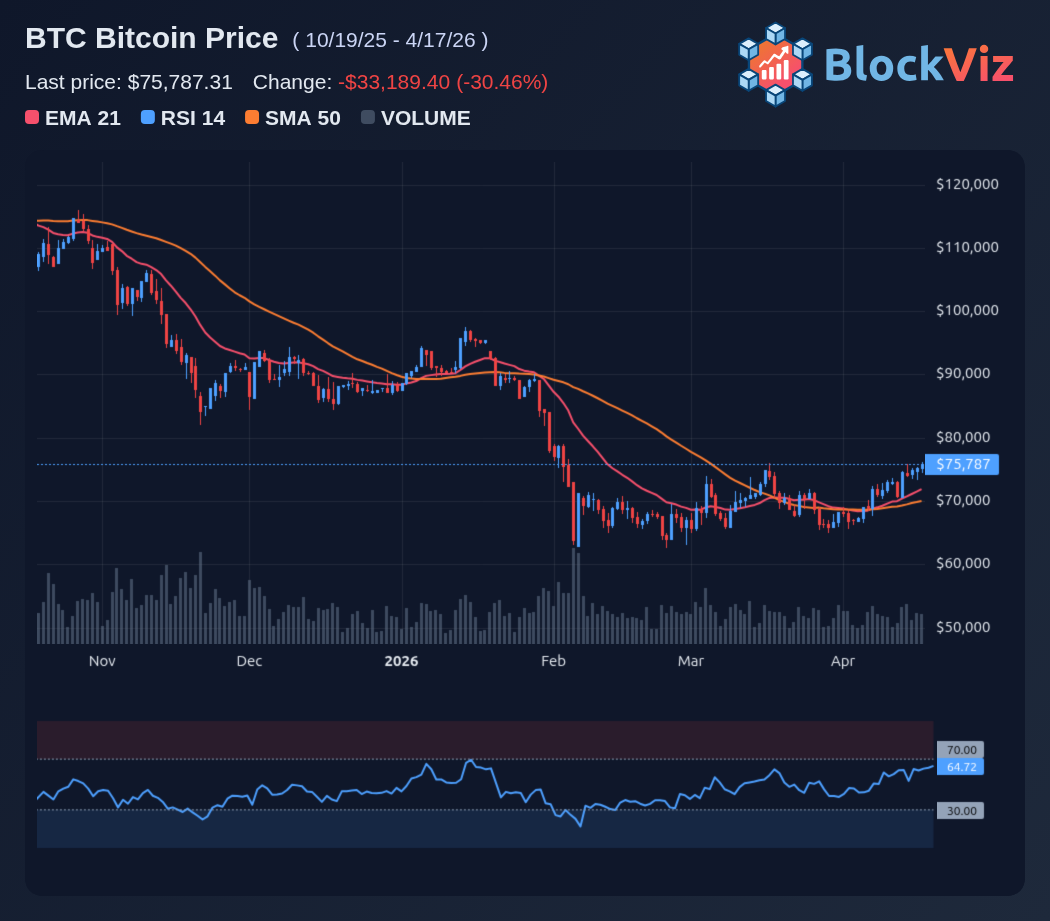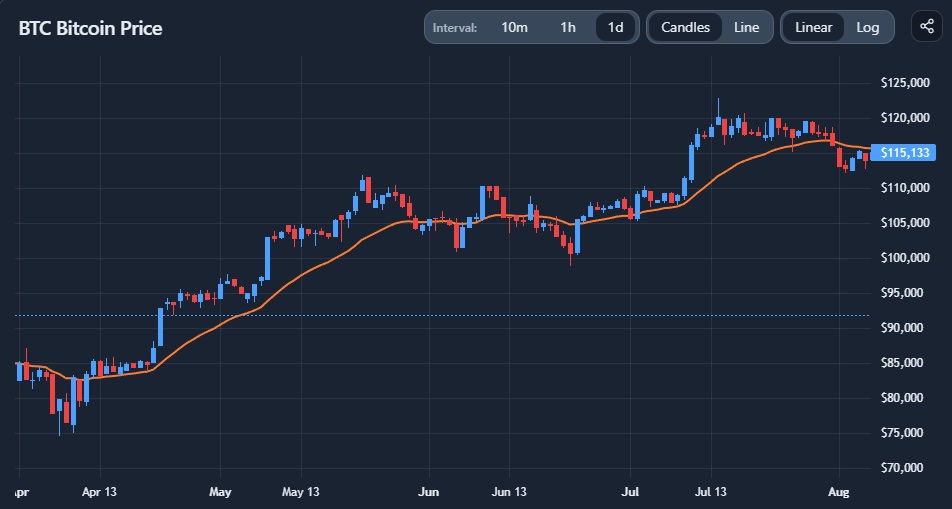

The real shock isn't that quantum risk exists; it's that Bitcoin may have already crossed the point where fixing it cleanly gets ugly. Charles Hoskinson is basically saying the network is being forced to choose between security and the sacred 'no one gets touched' rule, and that tension is what makes this headline matter now.
The number everyone is arguing over is big enough to move sentiment: roughly 34% of BTC supply is described as having exposed public keys, which puts a huge pile of dormant or old-cohort coins in the blast radius if quantum attacks become practical. Hoskinson's sharper point is that any serious defense may freeze or strand a massive chunk of legacy coins, including Satoshi-era BTC, which is why this is not just a tech debate but a market-structure one.
That's where market participants should pay attention. If this discussion keeps escalating, the market will start pricing not only 'quantum fear,' but also governance risk, because Bitcoin's strongest feature, immutability, becomes the hardest thing to preserve when the protocol itself needs a defense upgrade.
Key observations will include whether the conversation remains theoretical or transitions into a real coordination effort around post-quantum fixes, the fate of frozen legacy coins, and how much of the supply is truly at risk versus just headline speculation. Market participants should monitor developer consensus, any formal upgrade path, and how long the market continues to treat this as a future problem rather than a present discount on older BTC cohorts.