
Saylor just turned another billion-dollar Bitcoin buy into a market psychology test. When one company sits on roughly 3.7% of all BTC, the question is no longer whether it believes in the asset, but how much passive supply it can keep vacuuming up before the market starts pricing in scarcity differently.
That matters now because this is not just accumulation; it is concentration. Every new block of buying tightens the free float, raises the importance of OTC liquidity, and forces market participants to ask whether price is being driven more by real demand or by one treasury machine with deep pockets and a fixed thesis. BTC 0 is the market's shorthand reminder that the original supply schedule is finite, but finite supply does not mean evenly distributed supply.
The bigger tension is that Saylor's buys can still look bullish while creating fragility underneath. Strong hands are absorbing coins, yet the market becomes more dependent on a narrow set of flows, especially when treasury buying, ETF demand, and spot liquidity all line up at once. If that alignment weakens, the same structure that fuels upside can also magnify air pockets.
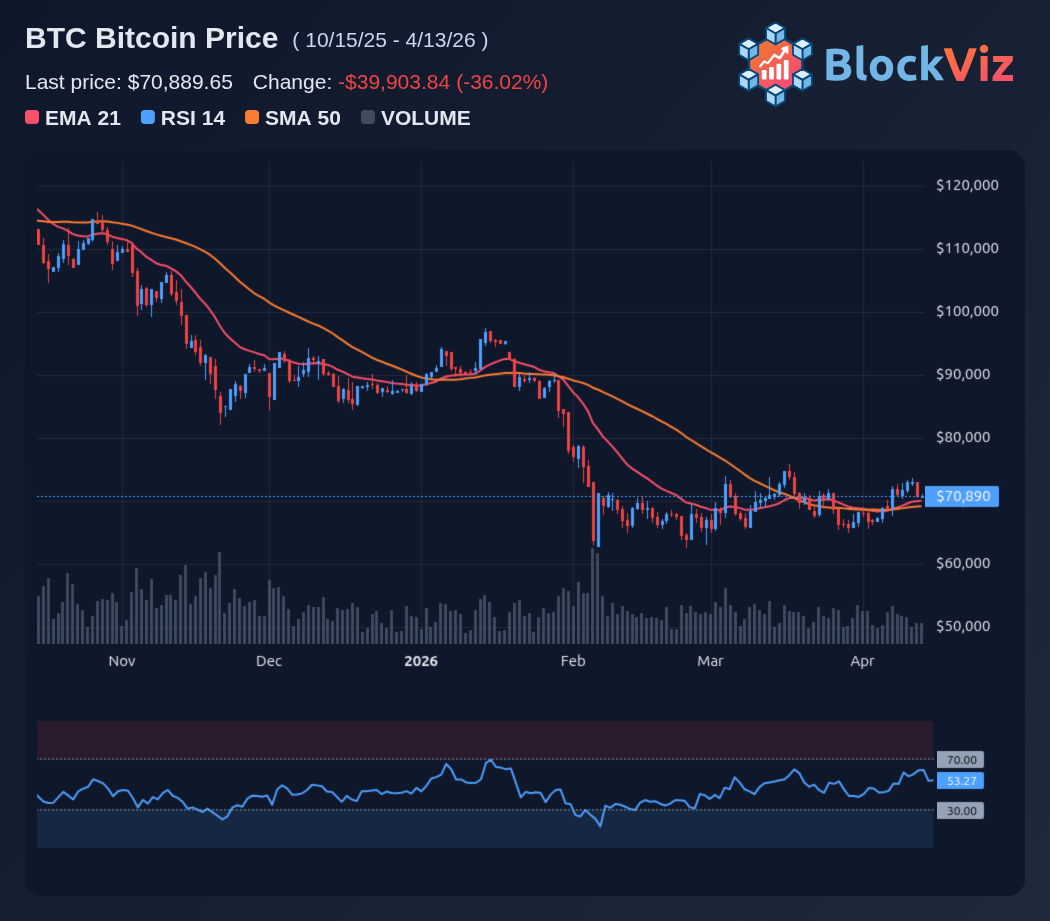
The market's attention will now focus on several key indicators: whether spot bid support holds on dips, if funding remains controlled, and whether the market continues to interpret each corporate buy as confirmation rather than a climax. As long as BTC keeps finding acceptance above key breakout zones while supply stays tight, the crowd may continue to chase the scarcity narrative. The moment price stops reacting to these purchases, that is when the market starts sending a different message.