Why the 2026 Crypto Flush Was Not a Surprise

Why the 2026 Crypto Flush Was Not a Surprise

|By BlockViz Insights

Early 2026 did not begin as a confident bull market that suddenly flipped. The market had already been sliding for months after the October 10, 2025 crash, which was a leverage-and-liquidity shock that broke momentum and forced a broad de-risking across the space.
What happened in late January and early February was not a “random reset.” It was the next forced unwind in a trend that had been visible since Q4.

Here is the real sequence, why it happened, and what to focus on now if you are investing or building for the long term.

The real backdrop: October broke the structure, and the market never fully repaired it

October 10, 2025 was not a normal dip. It was a liquidation event big enough to change behavior: risk limits tightened, liquidity got more selective, and traders stopped treating pullbacks as “buy-the-dip” moments.
After that, the market mostly did what markets do after a shock: it tried to stabilize, it attempted a few rebounds, and then it continued to drift lower as each rally ran into supply from people trying to get out “on strength.”

By the time we entered 2026, crypto was already in a fragile state. That matters because fragile markets do not need a huge new catalyst to fall. They just need a push at the wrong time.
What actually happened in 2026: the drift turned into a flush

Into late January, positioning quietly became one-sided again. Leverage built up across futures and perpetuals, and the market began leaning long in a way that assumed downside was limited.

Then the downside showed up anyway.

The sell-off accelerated as key levels failed:

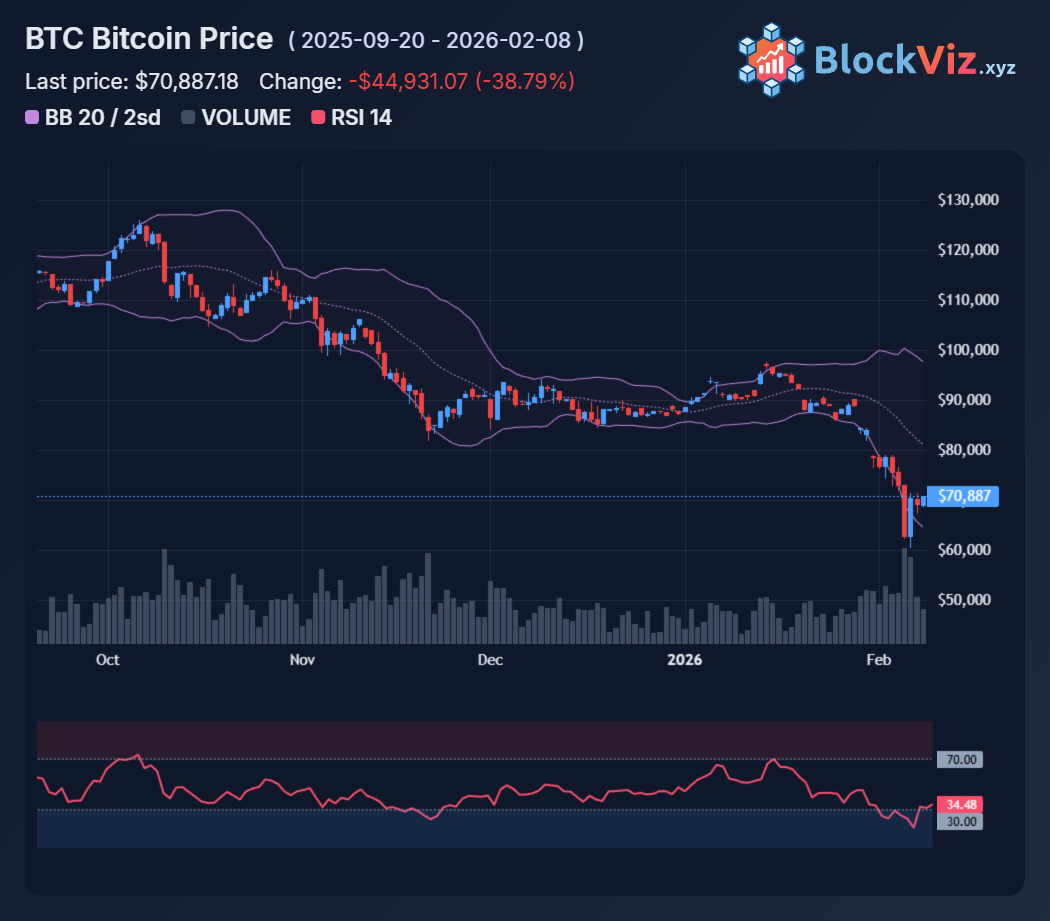
  • Bitcoin broke important support and the move turned into a cascading liquidation event.
  • Billions in leveraged positions were forced closed in a short time window.
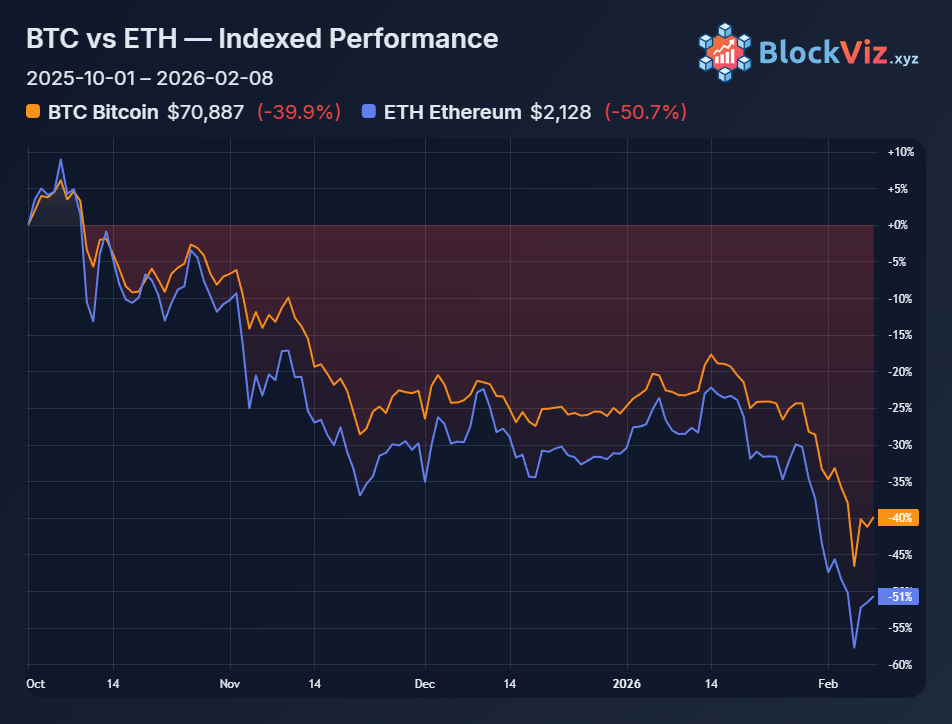
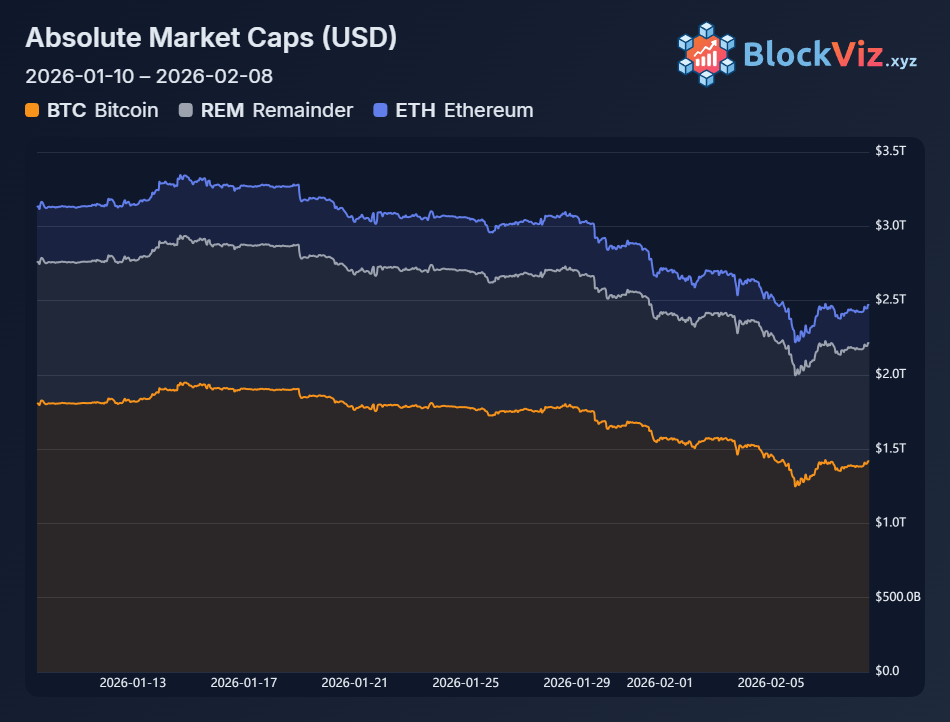
  • Ethereum and many altcoins fell significantly more than Bitcoin as liquidity thinned and risk came off fast.

By February 8, Bitcoin was trading roughly around the 70k area after dipping into the low 60k range during the worst of the move. Sentiment snapped from “this is just a pullback” to genuine fear in days.

This was not fundamentals repricing overnight. This was positioning being cleaned out.

Why it happened: macro pressure, flows, and leverage mechanics

Three drivers mattered most.

1) Macro stayed tighter than the market wanted

A lot of crypto pricing still depends on macro expectations, even when people do not want to admit it.

When the announcement of Kevin Warsh as new Federal Reserve chair and rate expectations did not support the “cuts are coming soon” narrative, risk assets broadly felt it. Crypto, as a high-volatility, non-yielding asset class, tends to be one of the first places leverage gets reduced.

2) Structural flows softened at the wrong time

Spot Bitcoin products had been an important source of demand over the past year. When those flows cool or reverse, it removes a stabilizing bid.

At the same time, large holders and funds do what they are supposed to do: reduce exposure into rallies and manage risk when volatility rises. In a market already drifting lower for months, that can be enough to tip the balance.

3) Leverage turned a decline into a waterfall

Once support broke, leverage did what leverage always does. It amplified the move.

Stop losses triggered, liquidations cascaded, and thin order books made the fall steeper than it would have been in a healthier market. This is why these moves feel sudden. The market does not fall linearly, it falls in steps when forced selling takes over.

What this period actually teaches

If you want one takeaway, it is this: crypto is more institutional than it used to be, but it is still structurally prone to violent flushes when leverage builds in a fragile trend.

A few practical lessons stand out.

The market is tougher than old cycles, but still breaks where leverage concentrates

Yes, the industry has matured. Liquidity is deeper than it was years ago. The infrastructure is better.

But maturity does not remove reflexivity. When too much positioning sits in the same place, price can still gap through levels and clean out risk fast.

Bitcoin increasingly behaves like the internal flight to quality

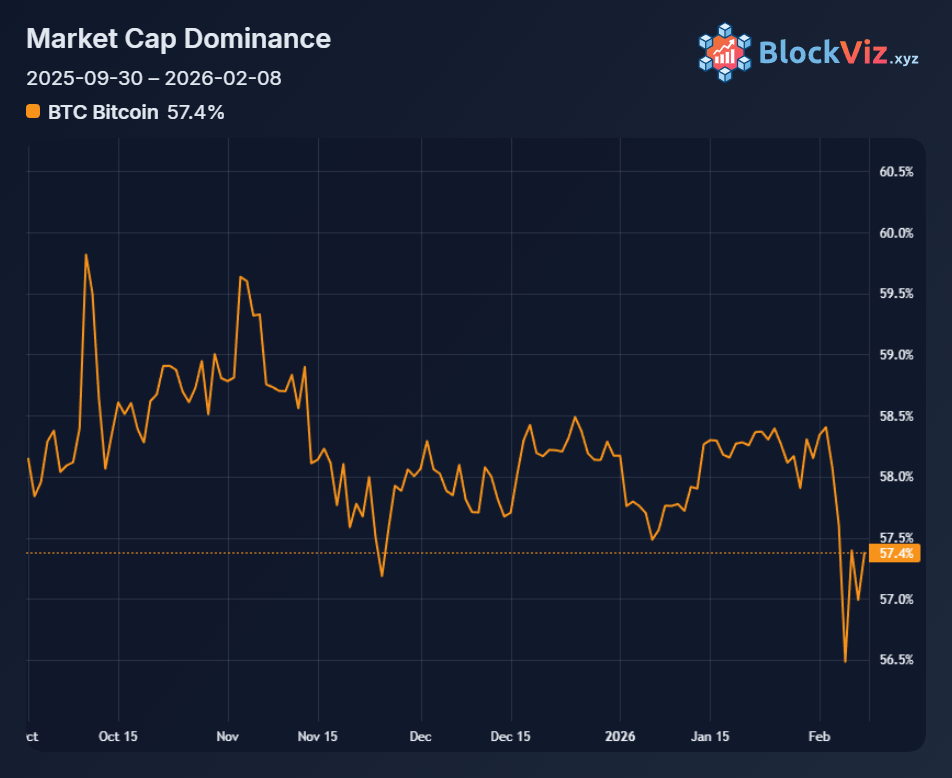
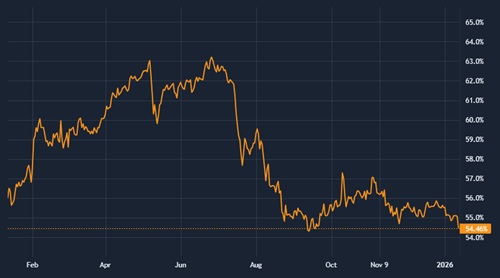
During stress, capital tends to crowd into the most liquid asset with the clearest institutional acceptance. That has usually been Bitcoin. Nevertheless, during the February crash BTC Dominance was actually falling not rising. Notable exception.

Altcoins can outperform in good regimes, but they usually underperform when the market is de-risking. Any portfolio that ignores that dynamic will keep relearning it.

Macro affects everybody

Even if your conviction is purely technological, your portfolio performance is still affected by rates, the dollar, and liquidity conditions. If you manage exposure seriously, you track macro seriously.

What I am watching next

Near term, two things matter:

  1. Can Bitcoin hold and build a base around the 70k region instead of repeatedly making lower lows?
  2. Do spot product flows stabilize, or do they stay net negative?

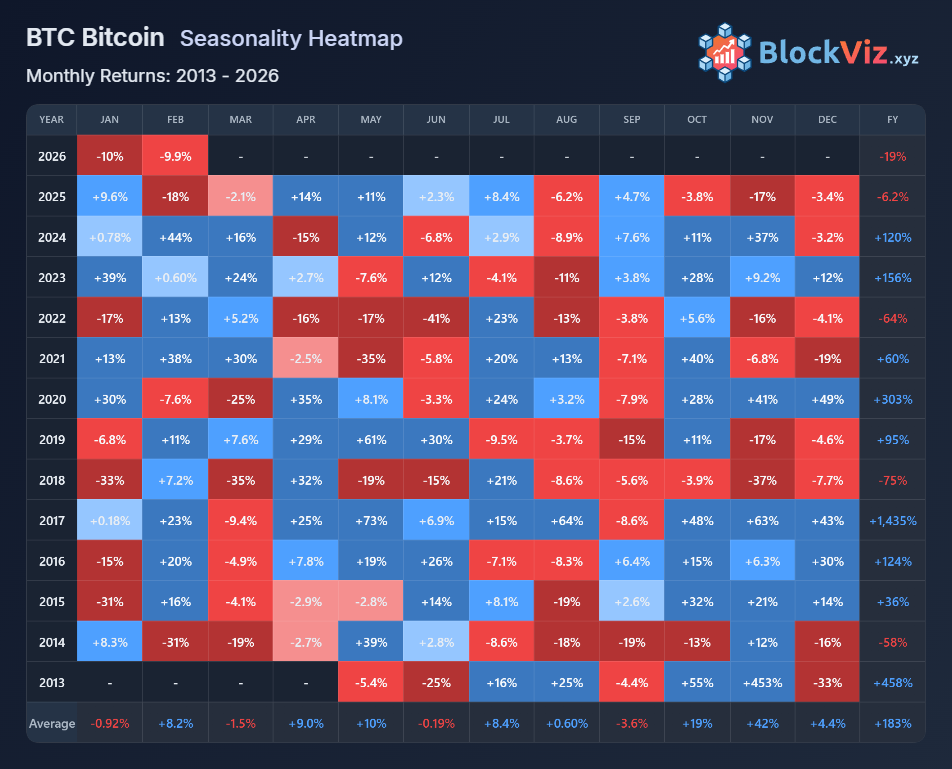
Overall Bitcoin NEVER had both the January and the February months in the red (at least since 2013). Definitely a bad start, but a period of sideways consolidation would be constructive. Continued sharp bounces followed by new lows would signal that deleveraging is not done.

Zooming out, the longer-term outlook becomes a question of what drives the next sustained bid. If liquidity conditions improve, crypto can recover. If rates stay higher for longer, the bar rises: adoption, real revenue, and durable use cases matter more than narratives.

Market Cap Dominance preview

Explore this related tool

Market Cap Dominance

Use the interactive tool to explore the same concept with your own time range and settings.